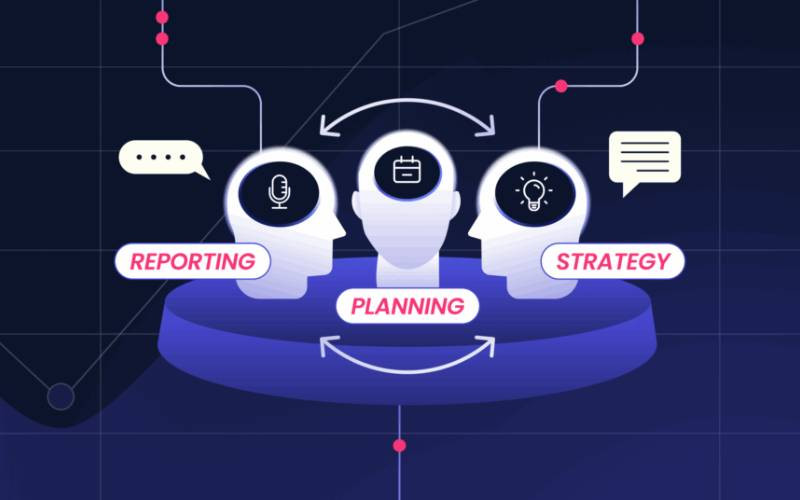
Rise of AI agents as software purchasers creates a new kind of revenue risk that traditional financial reporting fails to capture .[File, Standard]
Public market investors are flying blind into the volatility trap of the agent economy. When a SaaS company reports 40 per cent revenue growth, there’s no way to know if that growth comes from durable customer relationships or AI agents that could disappear with the next model update.
The accounting hasn’t caught up to the reality of who’s actually buying.
In a recent article, I argued that traditional metrics like customer acquisition cost and lifetime value break down when your customers are AI agents that have no loyalty or memory.
I proposed “agent penetration rate” as a better framework. But knowing how to measure something and actually requiring companies to disclose the results are different problems.
Without that transparency, AI-driven revenue creates concentration risk that just doesn’t exist with human customers. Companies that segment this exposure give investors essential information. Those who don’t should face pressure until they join a new disclosure standard.
In fact, we might eventually need modifications to GAAP.
The volatility trap