Lead image for Putting Kenya's long-term development above partisan interests.
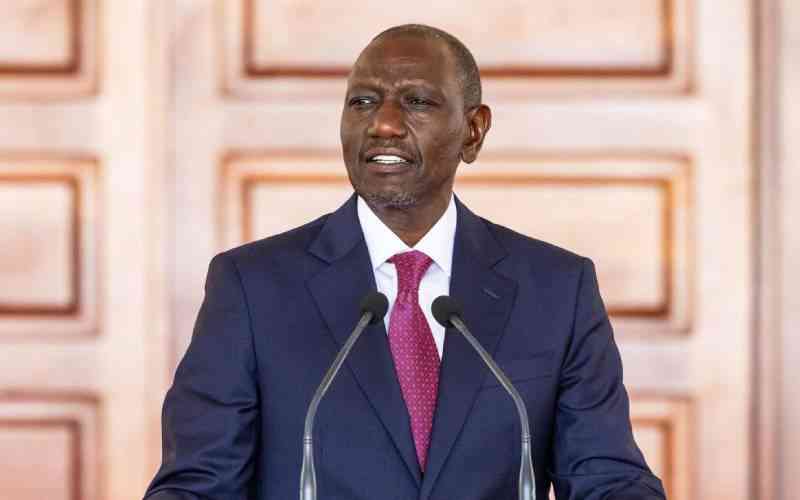
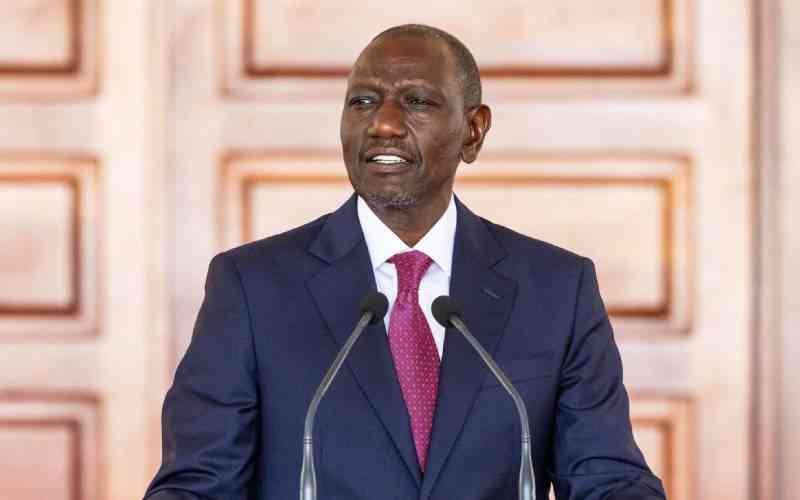
President William Ruto's recent address inviting Kenyans to begin crafting a new national development vision beyond Vision 2030 immediately sparked political debate.
As expected, supporters welcomed the proposal as a bold step towards shaping Kenya's future, while critics dismissed it outright.
Such reactions are hardly unusual in a vibrant democracy, where governments propose, the opposition scrutinises, and citizens evaluate, illustrating how democracy works.
Yet beneath the political exchanges lies a far more important national concern. There is a growing tendency to view almost every public issue through a political lens, reducing national conversations to partisan contests.
As a result, issues that matter most to politicians often dominate public attention, while equally important ideas and initiatives that could advance Kenya's long-term development receive far less consideration.
In the process, the national interest risks becoming subordinate to partisan interests. A healthy democracy requires a strong and vigilant opposition, as it is their responsibility to question government proposals, demand accountability, and offer alternatives.
At the same time, the government must be prepared to defend its policies and embrace constructive criticism, as robust debate strengthens democracy and improves public policy.