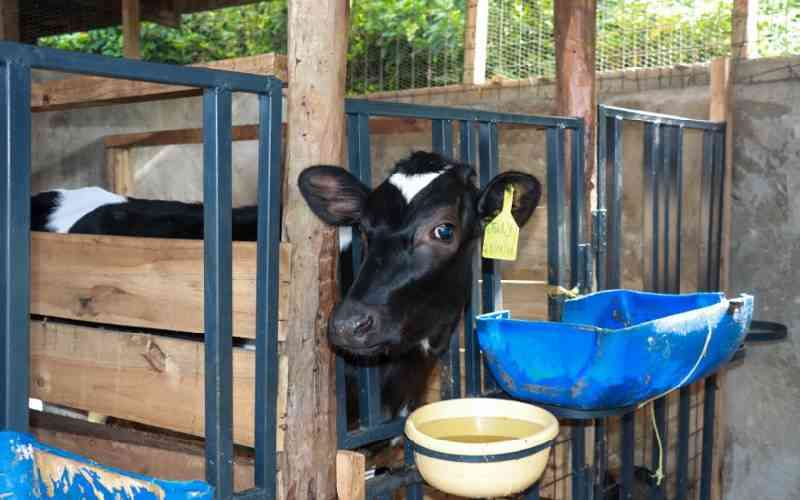
A calf weaned at 110kg at 90 days old.
Successful calf rearing does not begin at birth; it begins with how well the pregnant cow is managed during the pregnancy, especially in the last trimester (7-9months). The condition of the dam before calving determines not only how easily she calves, but also the quality of colostrum she produces, the vigour of the newborn calf, and the calf’s ability to survive and grow.
Sire selection
Appropriate sire (bull) selection means choosing a bull with the right genetics and health traits so that calves inherit them; however, feeding and overall calf (and later cow) management determine how much of that genetic potential is expressed.
After birth
To achieve healthy, productive future dairy cows, proper calf-rearing practices must begin immediately after birth. The first important meal is colostrum.
Colostrum’s importance?
- Calves are born without antibodies (immunoglobulins), making them highly vulnerable to disease. They must receive their passive immunity by consuming high-quality colostrum immediately after birth.
- Due to the nature of the antibodies, colostrum should be fed within 2 hours of life and every 4-6 hours for the first day to achieve maximum absorption, which happens within the first 24 hours through the intestinal wall before it declines drastically.
- Colostrum provides a critical energy boost, as calves are born with low energy reserves. It contains about twice the solids and energy of normal cow's milk, making it ideal for early survival.
- It contains bioactive components (hormones, growth factors, insulin) that stimulate gut development and improve digestion in the first days of life.