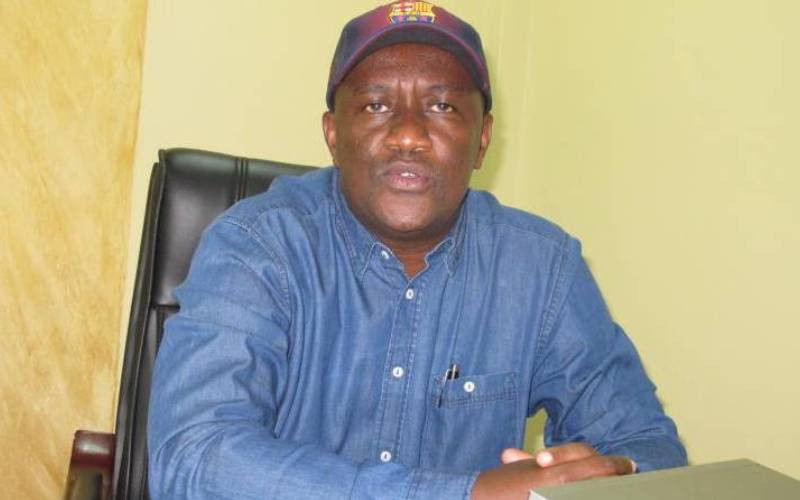
Member of Parliament for Matungulu Constituency Stephen Mule in a past press conference . [File, Standard]
Matungulu MP Stephen Mule is staring at a gruelling political battle as he prepares to defend his seat for a fourth consecutive term in the August 2027 general election.
Mule, who was elected Matungulu constituency’s first MP back in 2013 on a Wiper Party ticket, could become one of the longest-serving legislators in the greater Ukambani region should Matungulu voters grant him a fourth term to represent them in the National Assembly through the power of the ballot.
His quest to successfully defend his seat, however, faces the most formidable challenge yet. Five determined contenders have launched aggressive early campaigns aimed at cutting short his decade-plus dominance, citing legislative inertia, underdevelopment, and neglect of critical local issues.
Those who have publicly declared interest in unseating the Wiper Party diehard MP include Tala-based advocate Isaiah Munguti, Human Resources guru cum business lady Alina Matheka, Businessman James Mwovi, Medic Simon Kathumo and Real Estate entrepreneur Samuel Maithya alias Kamwana.
And with less than one year left until the August 2027 showdown, the five aspirants have hit the ground running to woo voters, with persistent calls to relieve Mule of his duties citing poor representation and minimal performance.
Lawyer Isaiah Munguti says one of his top priorities if elected will be to ensure Matungulu residents enjoy proper representation in the National Assembly. “For far too long, Matungulu has not been effectively represented both in parliament and outside. We have not seen the current MP lobbying for the various pressing issues affecting residents such as stalled infrastructure projects and meaningful economic empowerment,” Munguti told The Standard in an interview.
The lawyer claims the incumbent legislator has done very little to pull the youth from the shackles of unemployment, drugs and crime. “I aim to ensure as many youths as possible acquire skills through the existing TVETS that will eventually empower them to secure further opportunities,” he said, pledging to implement labour-based contracts to empower locals if elected.