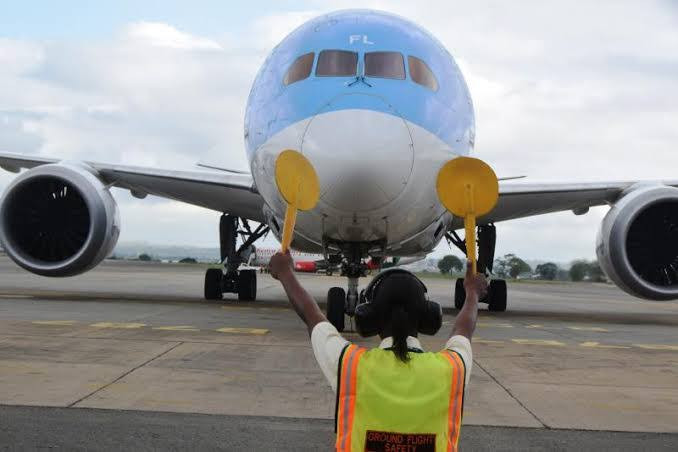
Lead image for Africa's aviation opportunity is real, but margins remain brutal.
By now, it is obvious to all but the most impervious that the world has changed in ways that would have been difficult to contemplate at the start of the year.
The war in the Middle East has put at risk the region’s long-established position as one of the world’s most dependable air-transport corridors. At the same time.
It has created an unexpected opportunity for African hubs to emerge as credible alternatives.
Kenya and Ethiopia, in particular, have recorded above-average traffic, notably, during what would traditionally be considered the low season.
Still, the obstacles preventing Africa from becoming an air transport giant remain formidable. Home to 17 per cent of the world’s population, the continent accounts for barely 3 per cent of the global air transport market.
Its airlines operate where commercial realities, infrastructure deficits, uneven regulatory maturity and geopolitical uncertainty collide. Some states and carriers perform at, or above, international benchmarks.
Others remain constrained by weaknesses in oversight, infrastructure and institutional capacity.